

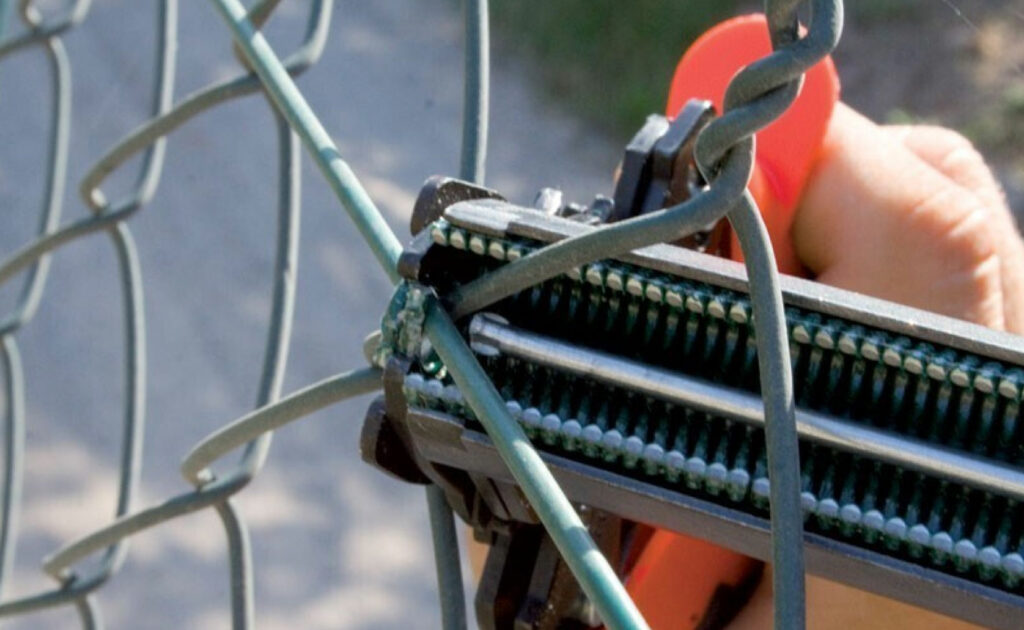
If you’re involved in the agriculture, fencing, or upholstery industries, you’ve probably come across HOG rings – the versatile fasteners are known for their excellent grip and durability.
Understanding HOG Ring Spacing
HOG rings, also known as C-ring or hog ring staples, are commonly used to join materials together securely. The spacing for HOG rings primarily depends on the application and the material being fastened. Here are some key insights to consider:
Material Thickness:
When working with thin materials like fabric, mesh, or upholstery, closer spacing is recommended. For lightweight fabrics, a spacing of approximately 1 inch (2.54 cm) or less ensures a firm hold without causing undue stress on the material.
Heavy-Duty Applications:
For heavier materials, such as wire fencing or automotive upholstery, a wider spacing of 2 to 4 inches (5.08 to 10.16 cm) may be sufficient, depending on the material’s strength and the level of tension it requires.
Stability and Durability:
Optimal spacing directly impacts the stability and longevity of the fastened materials. Maintaining consistent spacing ensures even distribution of tension, minimising the risk of sagging or tearing over time.
Pneumatic vs. Manual Tools:
The spacing may also vary based on the type of HOG ring installation tools used. Pneumatic tools may allow for faster and more consistent spacing, enhancing overall efficiency.
Read more on Hog Rings
